Peru Part 1: Cusco, Corpus Christi and Wonderful World of "Syncretism"
Apologies for the long gap between blog entries. Originally we were going to have the kids write a few different posts about our time in Monteverde but we are going to leave it to Jack to summarize our weeks in MV (thanks Jack!!) and shift gears to Perú. Perú has been a three week whirlwind. There is SO much to take in that the daily sensory overload leaves you exhausted (getting used to the two miles altitude of Cusco leaves you kinda tired to for a few days). In addition to the kids taking classes 4 days a week in Cusco, we have found time to...
…check out the old colonial center of Lima and the more trendy/modern section of Miraflores by the water
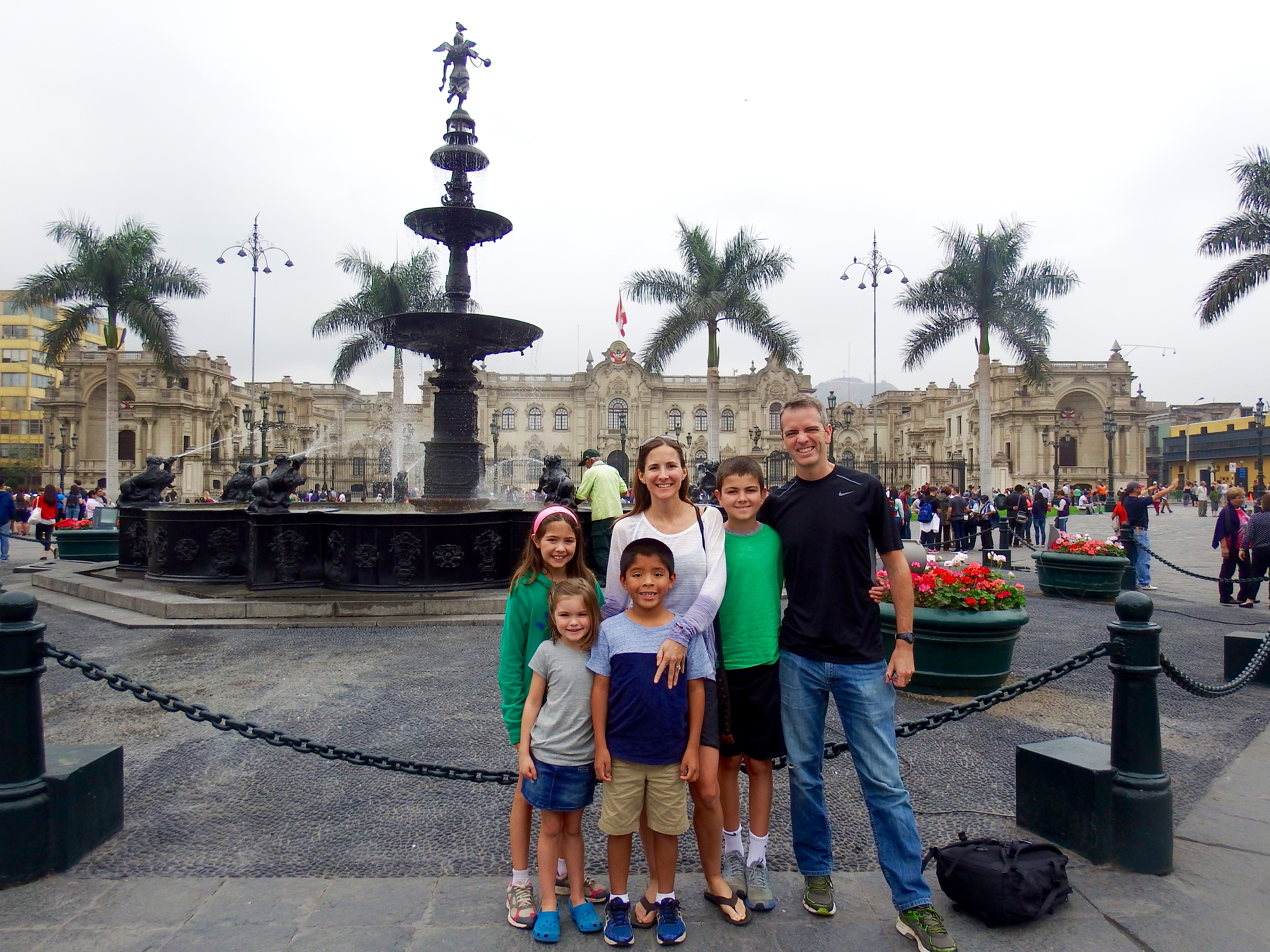
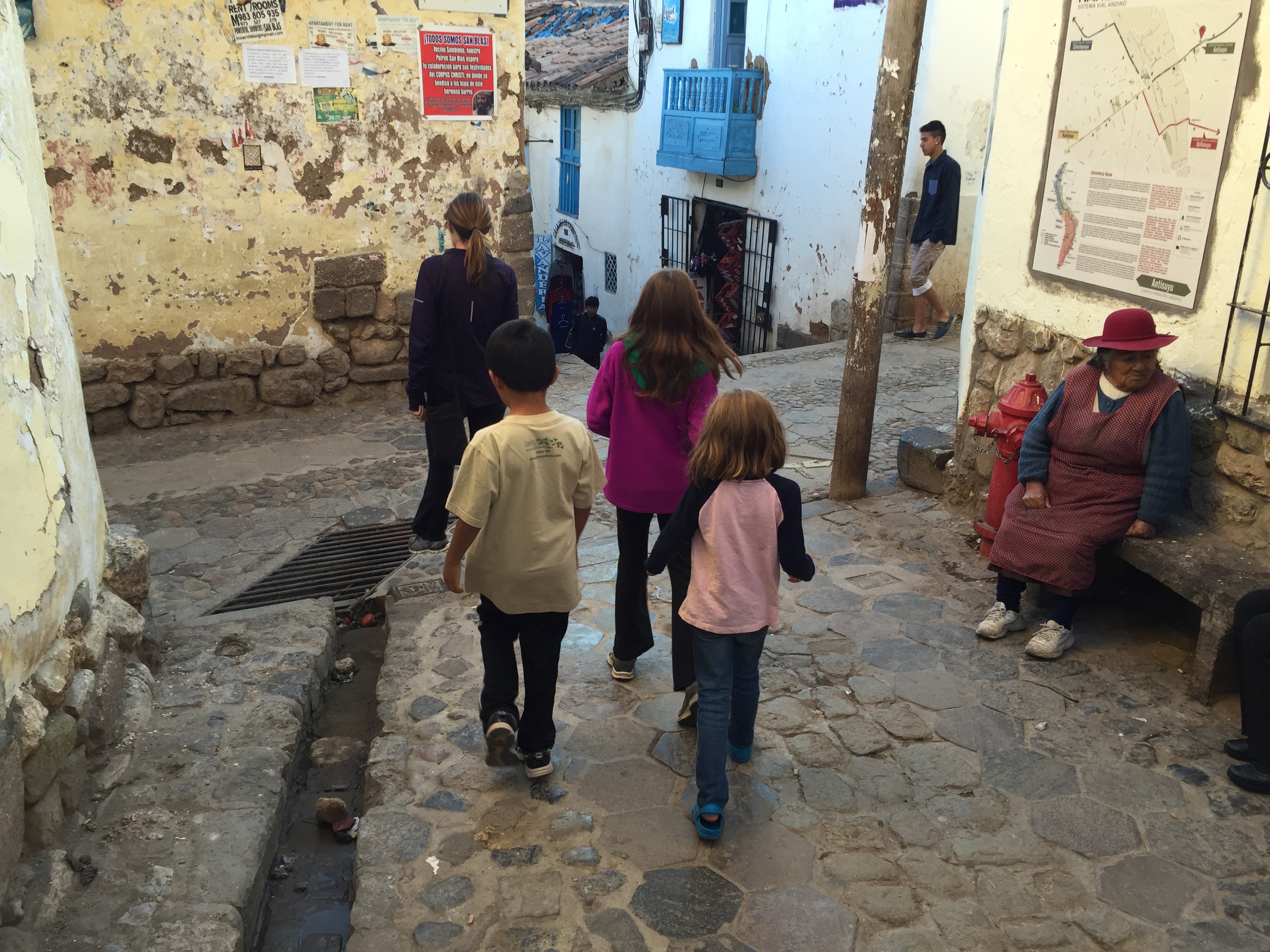
...go explore the museums, churches (which in Peru are basically museums), and cobblestone shop-filled streets, etc. of Cuzo
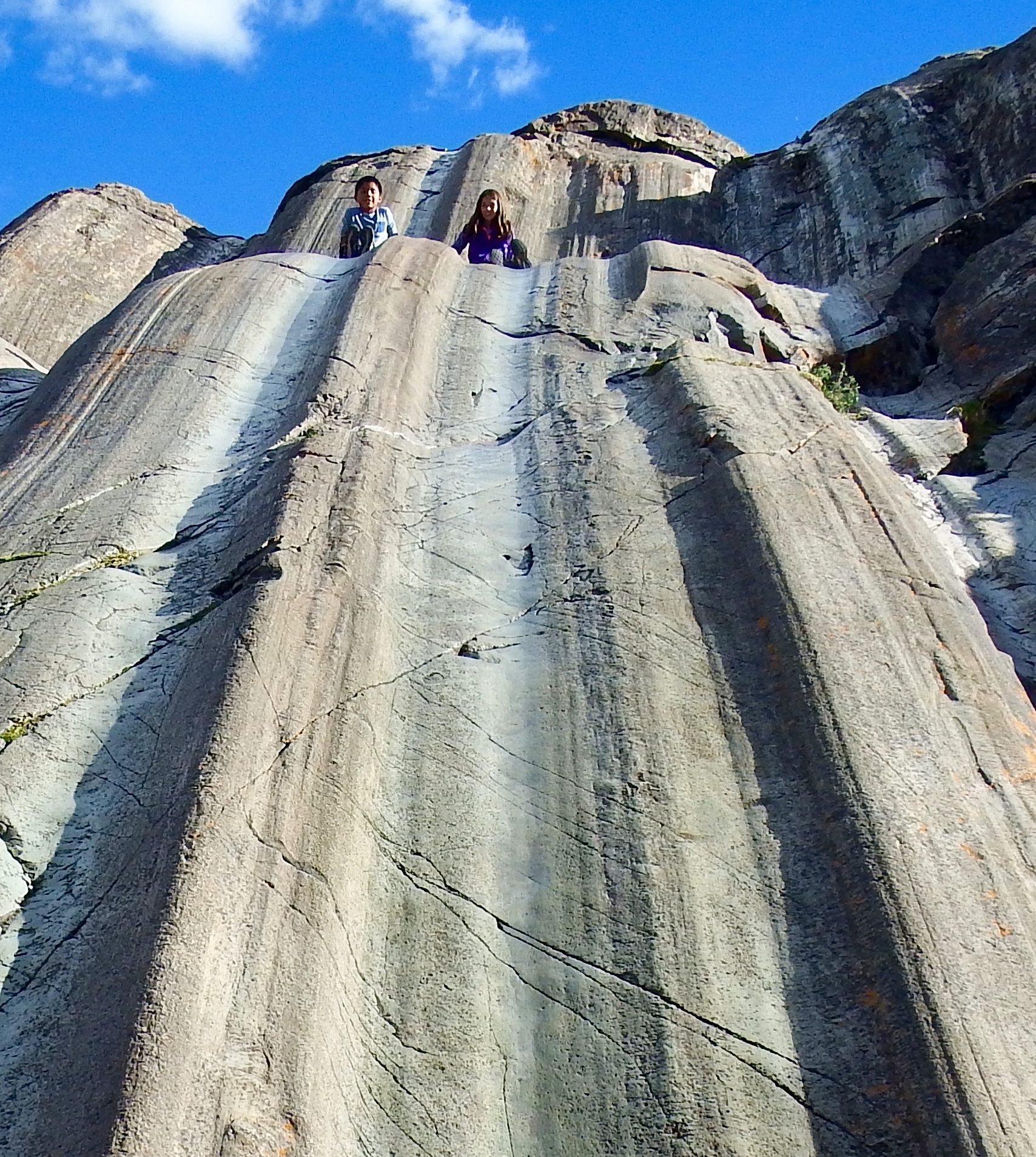
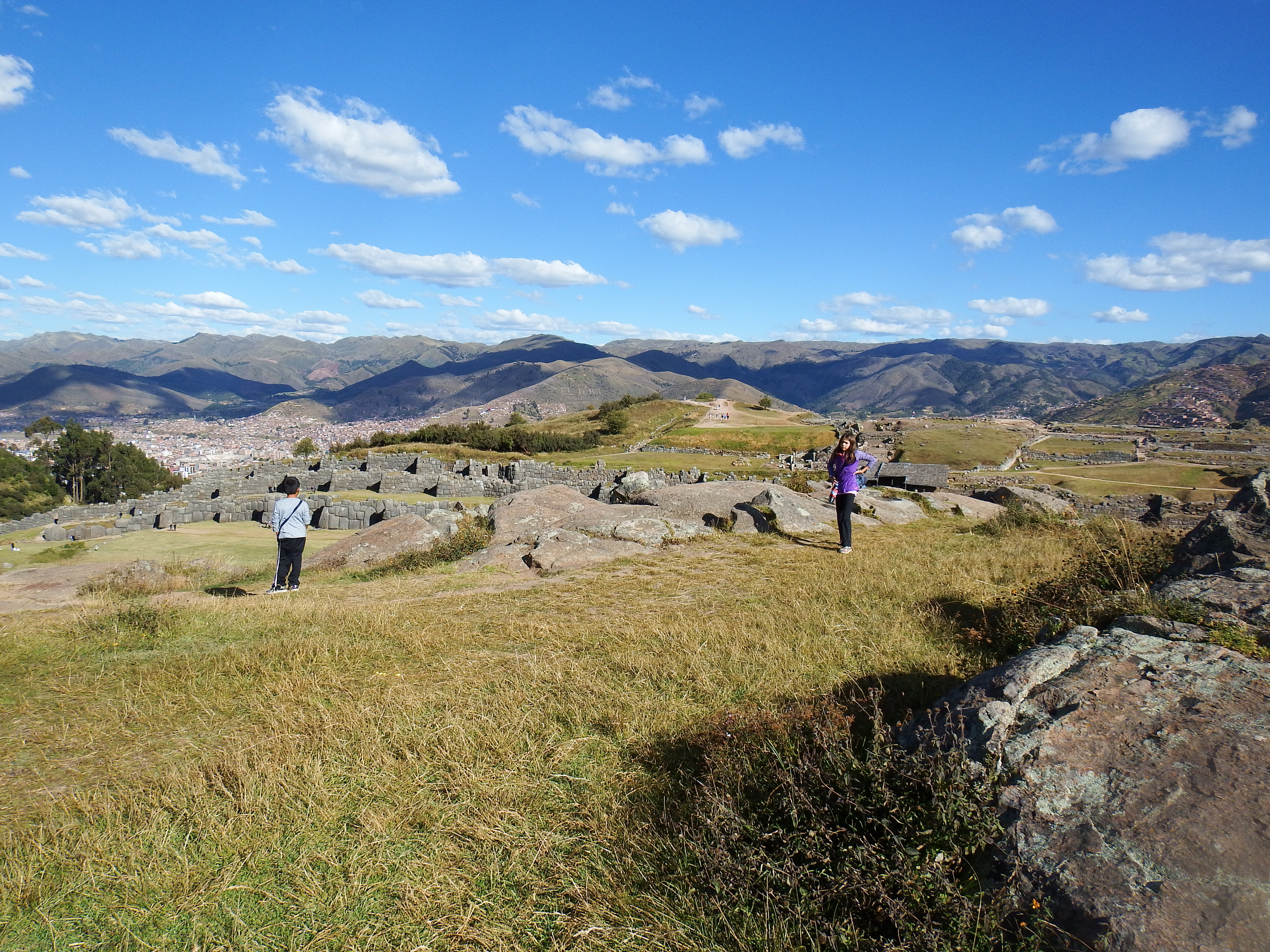
...hike to nearby Inca ruins (an outing the included sliding down massive stone slides!)
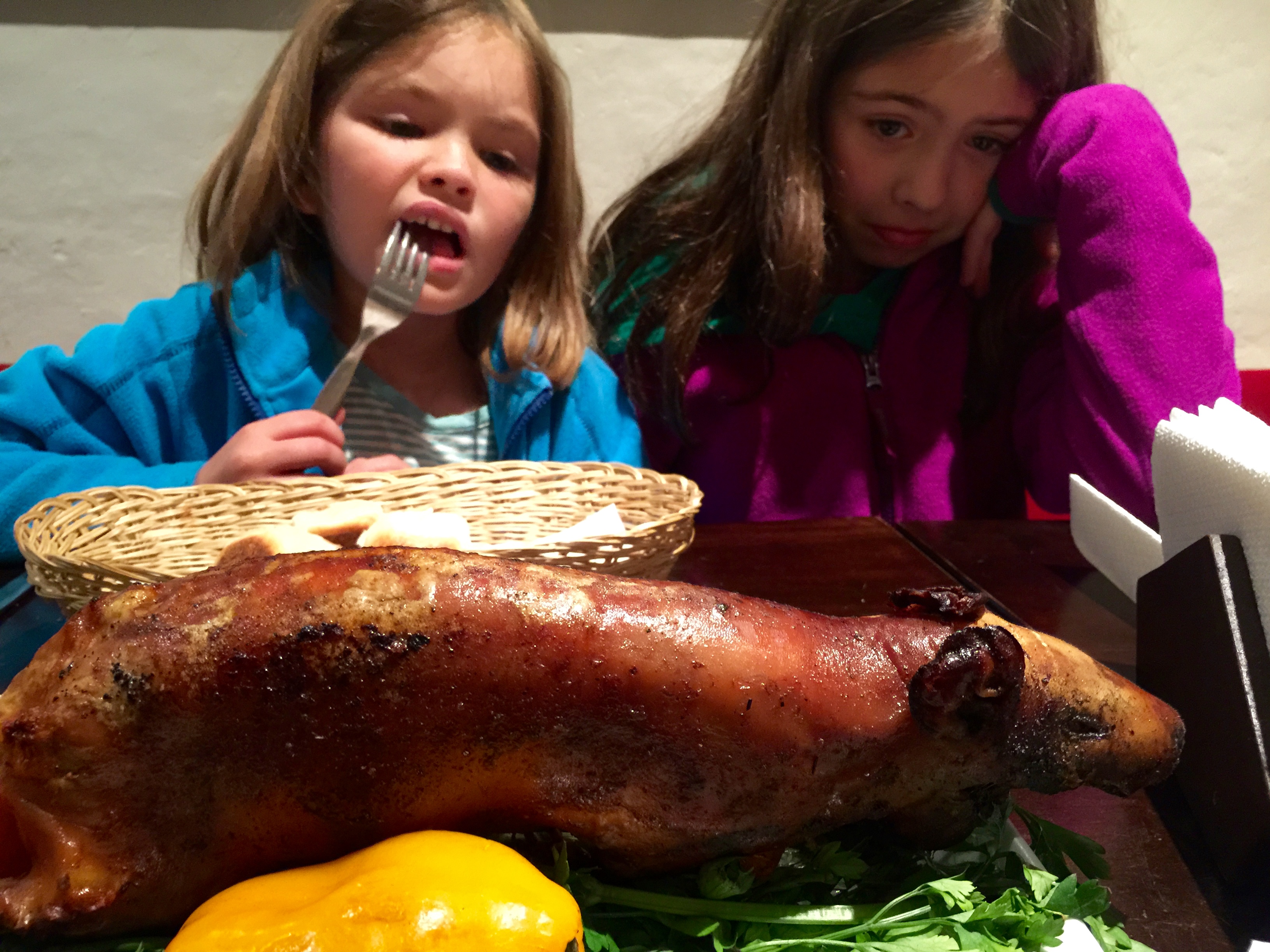
...eat cuy (guinea pig…tastes kinda like duck or goose) and alpaca (tastes like lamb)
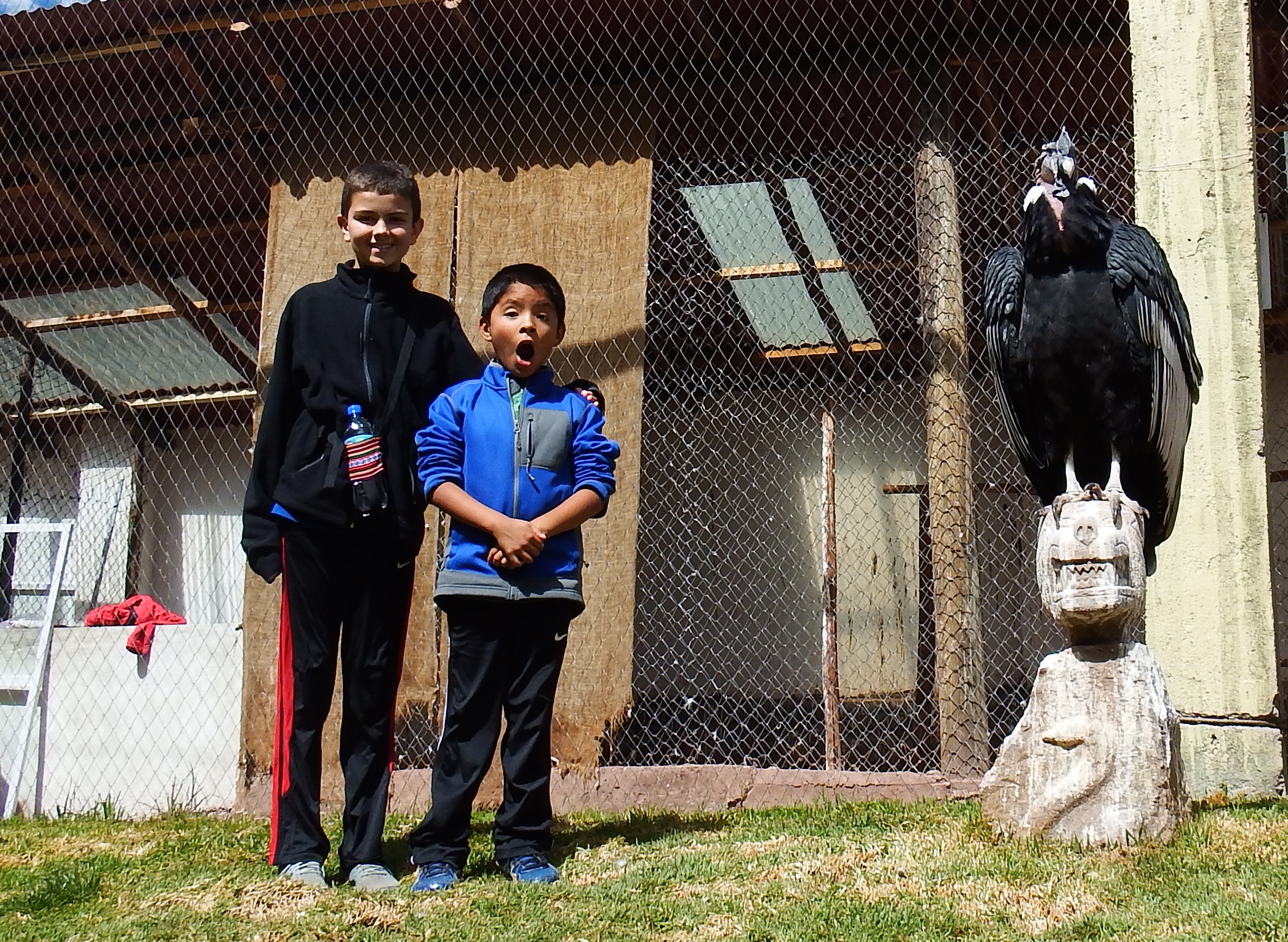
…visit an alpaca/llama/vicuña farm (not on one of the days that we ate alpaca…that would have been weird) …see Andean Condors, caiman, Brazilian wandering spiders, macaws, etc.
…eat a whole lot of other kick-ass Peruvian meals (we now understand fully why Peru is the “it” country of the world right now for food)
…take a train through the Sacred Valley of the Andes to the tiny town below Machu Picchu
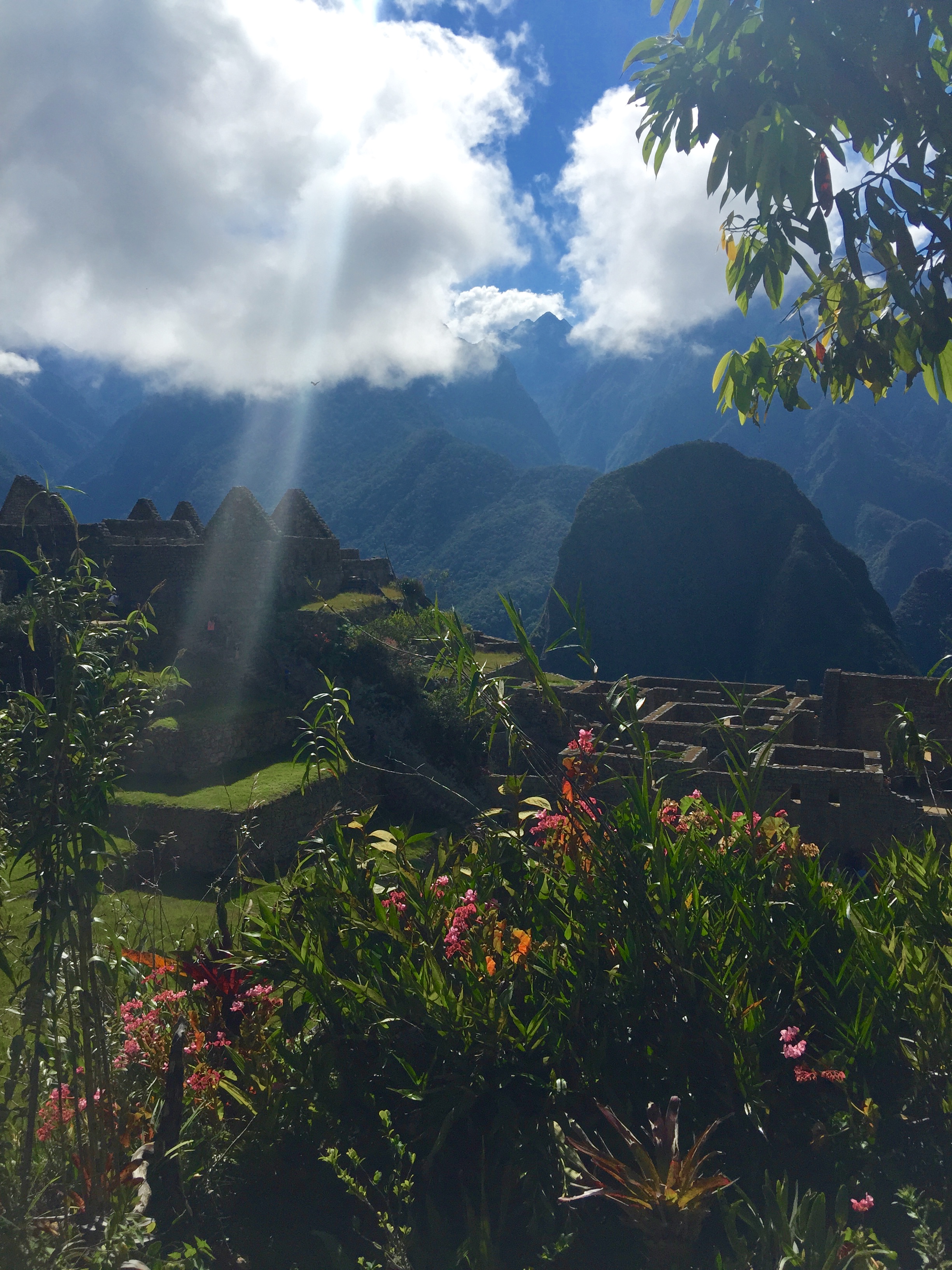
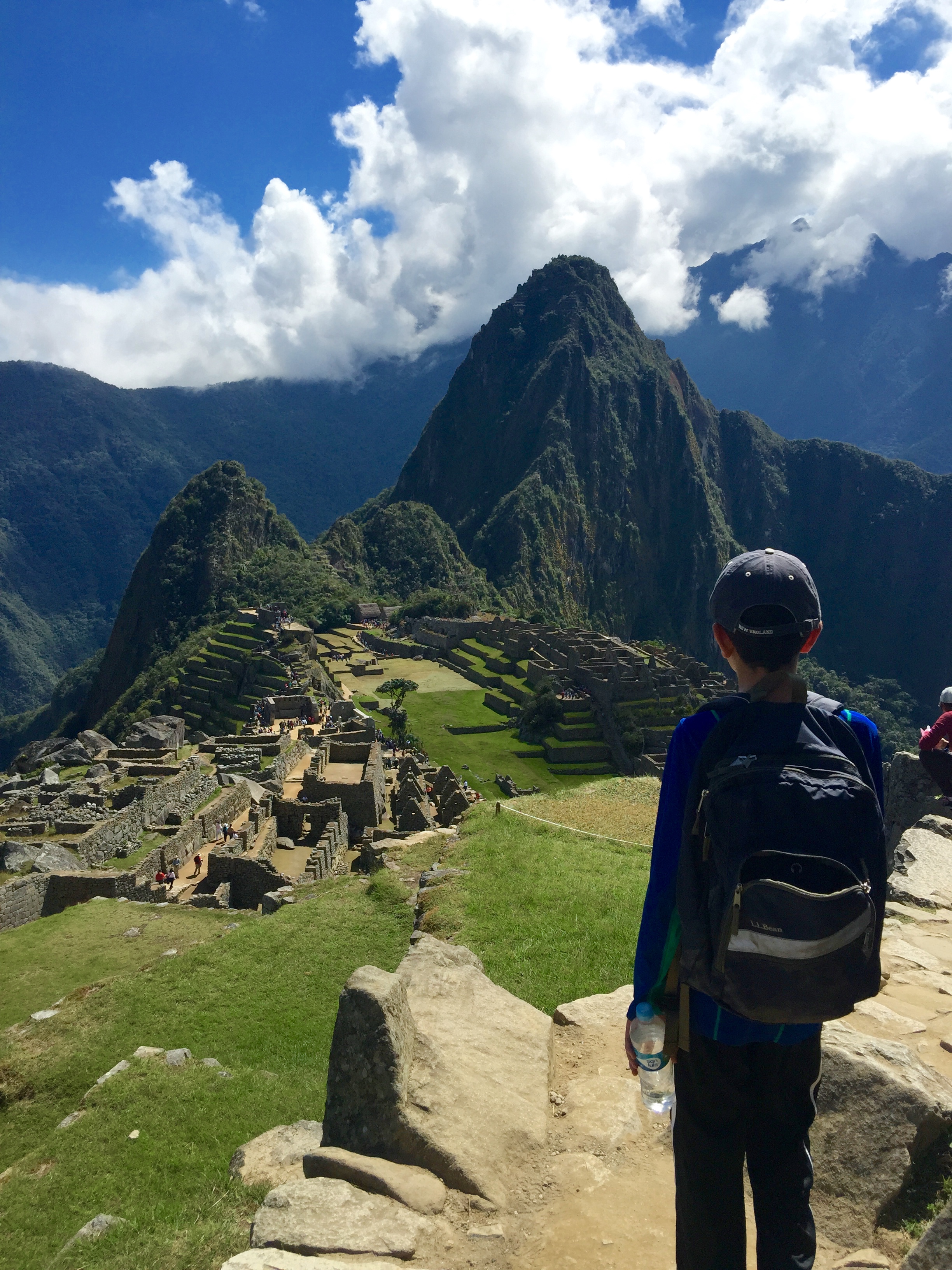
…experience the jaw-dropping wonder of Machu Picchu (despite the strep infection that the kids were passing around and which knocked Lia out of commission for the trip)
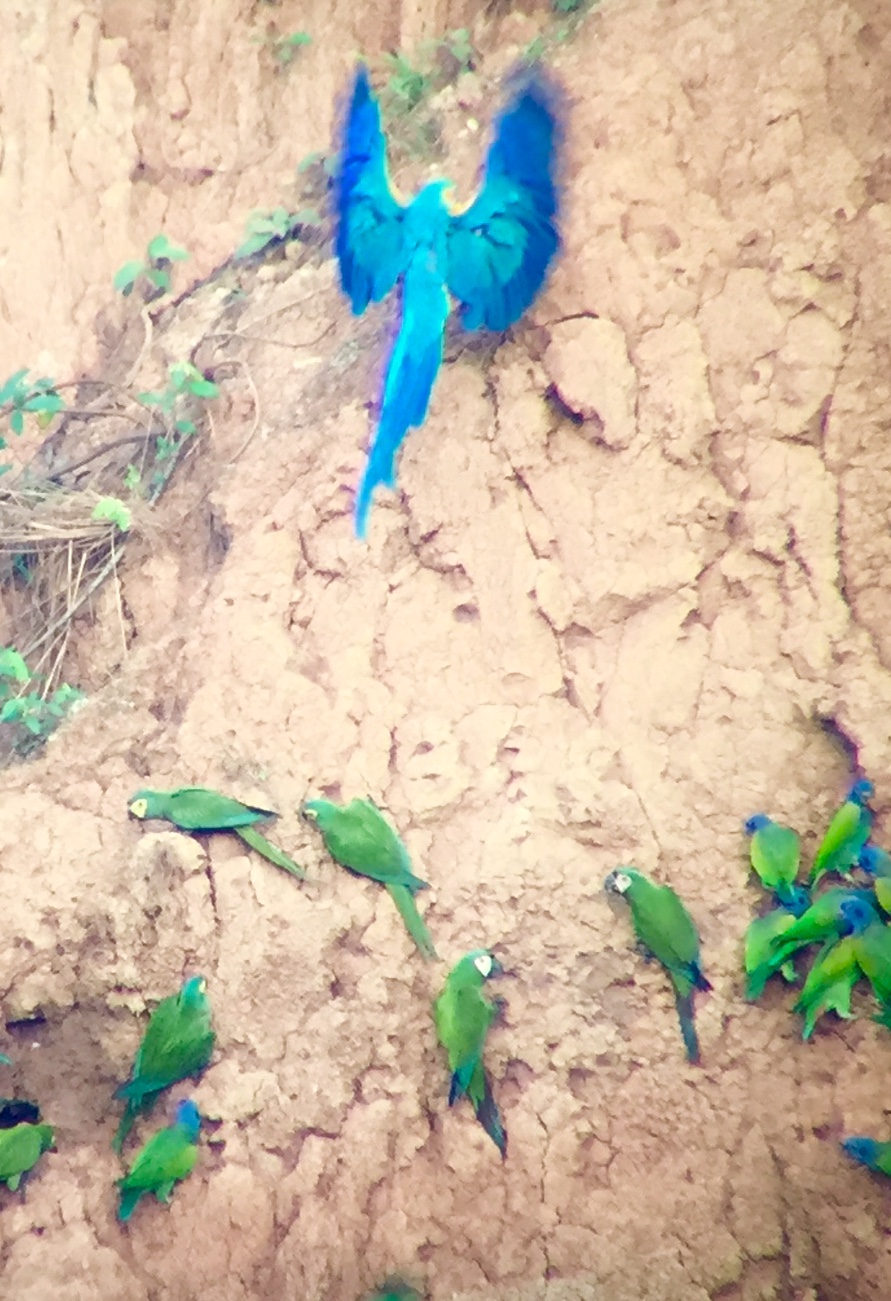
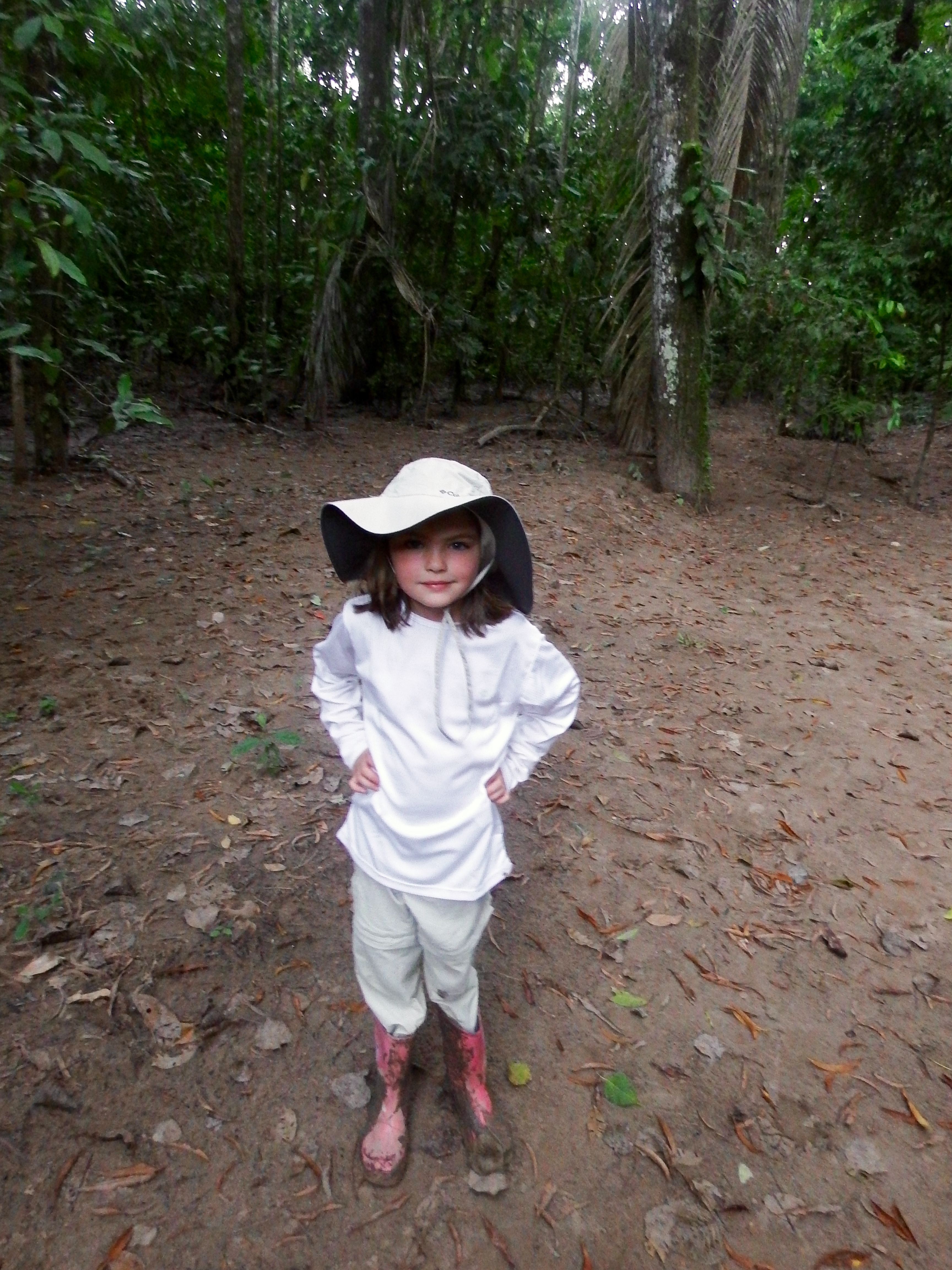
…take what was clearly our craziest family weekend trip of the year to the Amazon basin (staying at a macaw research center about 5 hours up the Tambopata River…a full 3 hours past the inhabited part of the Tambopata Amazon region).
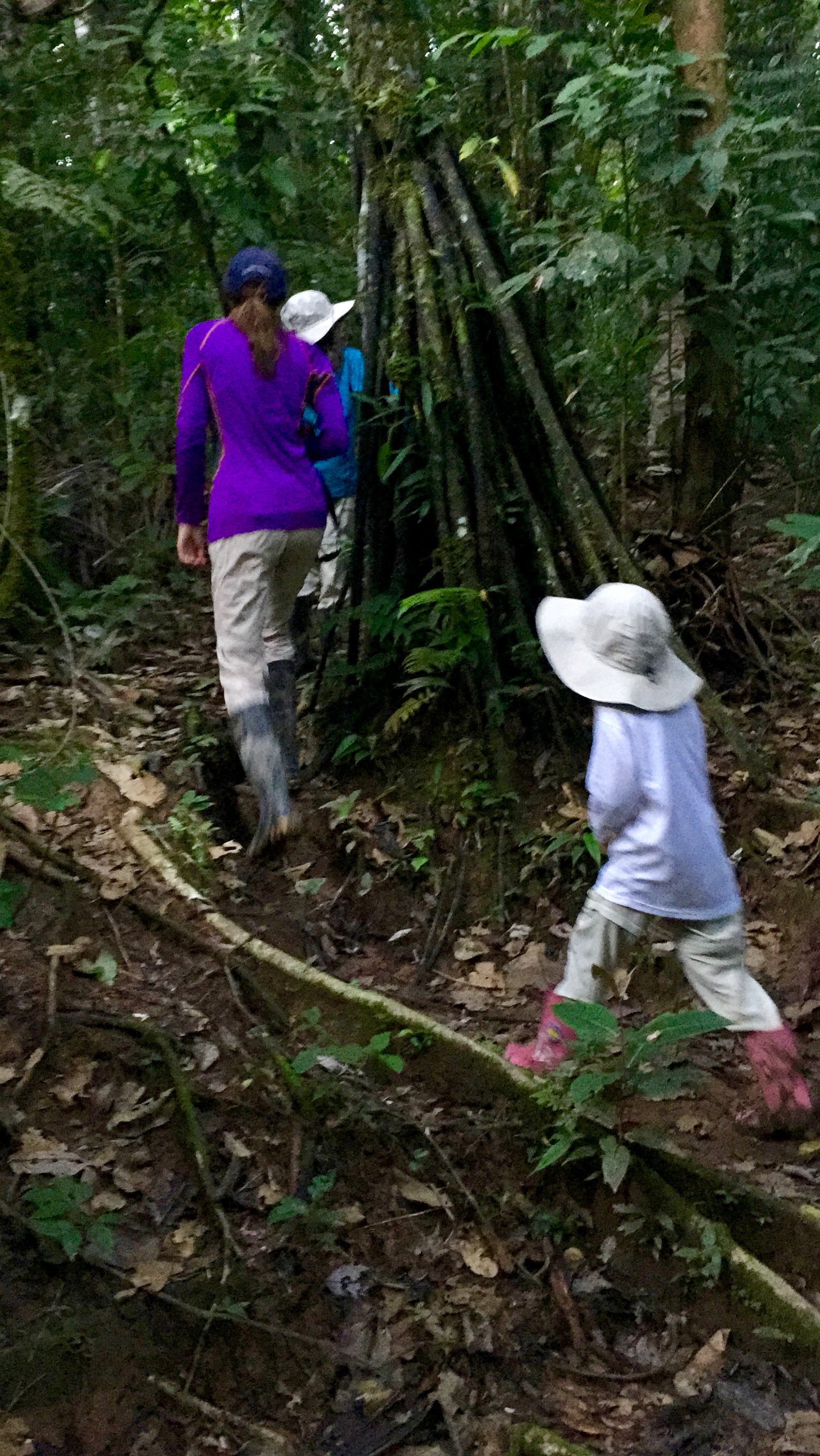
…and on and on and on.
It has been exhausting in some ways but exhilarating in SO many more. We will get some more posts up shortly (Perú is cool enough that we could write a book). But rather than going back to the beginning of the trip and working forwards, I wanted to try to capture a few real-time thoughts from the past few days and then work backwards from there.
-----------------
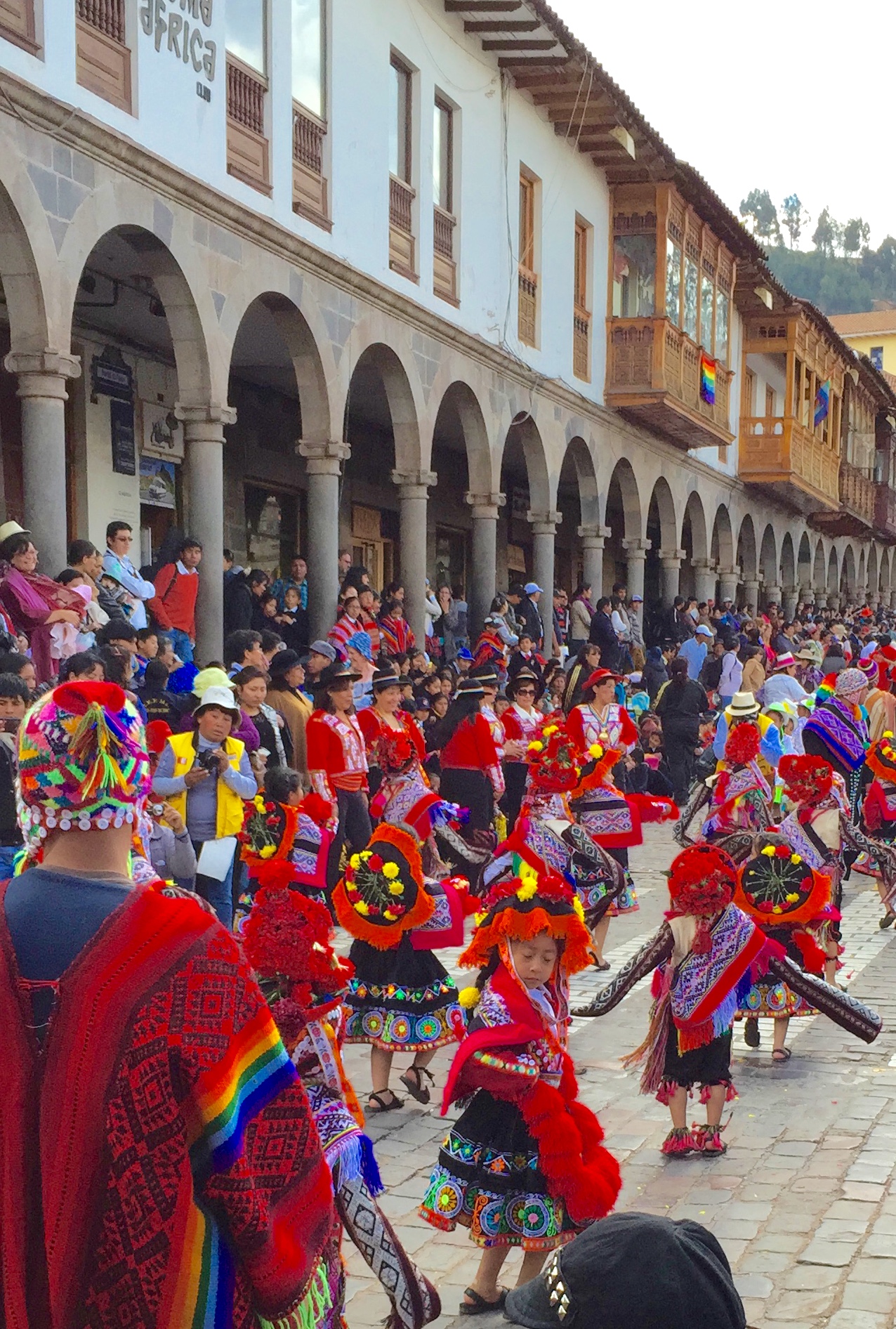
As I type this, there is a huge festival taking place just outside the hotel. In and of itself that isn’t too crazy (Latinos love an excuse for a festival, a brass-band, and some dancing) but there has been some level of festival in the plaza outside of the hotel for about ten days straight now. And similar brass-bands, dancers, food vendors, etc. can be found about every 3-4 blocks throughout the city. All day. All night. Every day. It is CRAZY. Some days it is more of a low-buzz-festival with some street vendors and off and on music and dancing. Some days there are fireworks at all times of day and night (and i do mean at ALL times) and music and dancing until 2:00 am all over the city. And on a few of the days there have been crazy, massive, colorful, cool processions of giant saint statues, dancers in traditional dress, and 24-hour parties galore.
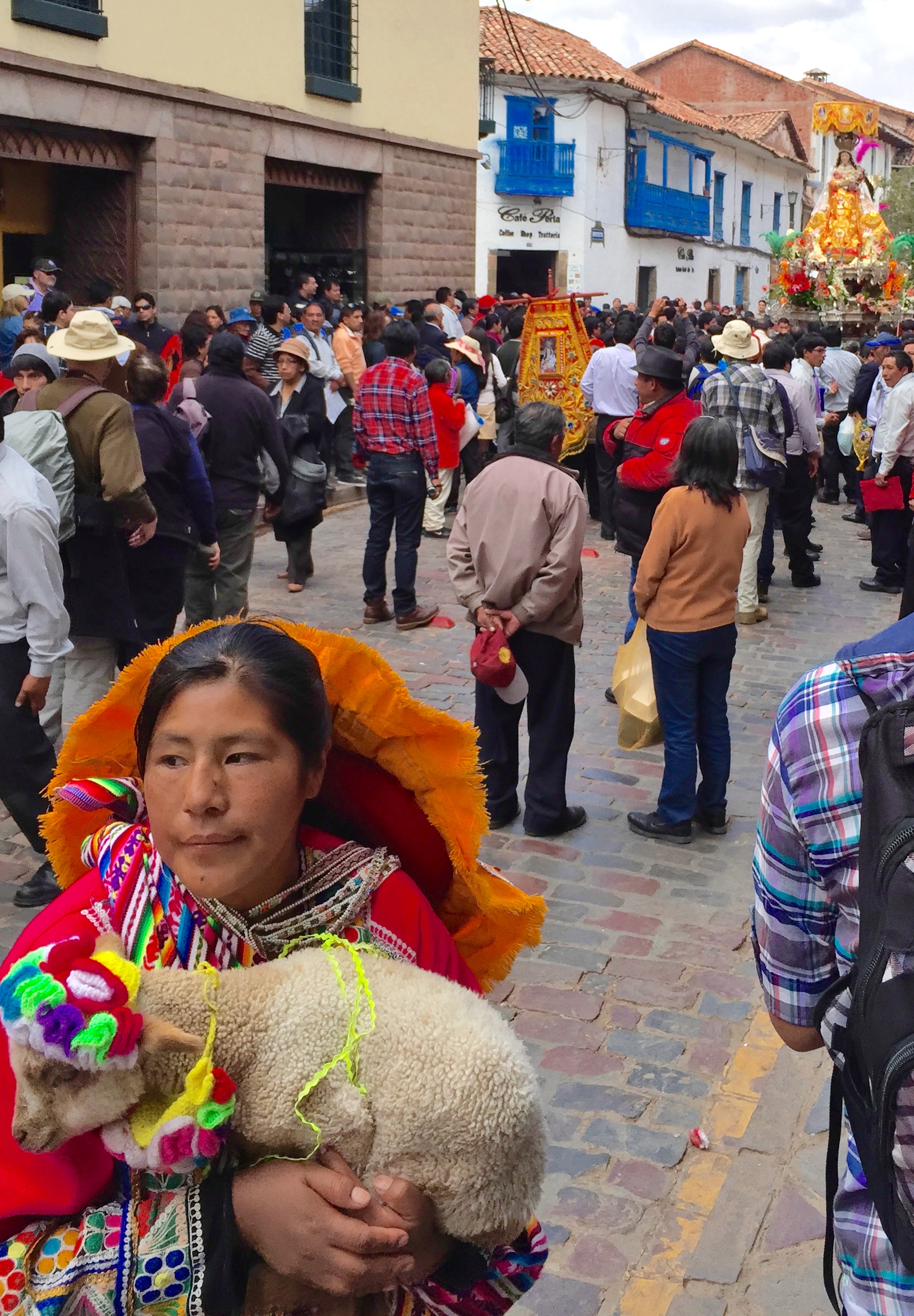
The reason for all of this is Corpus Christi. In theory, this is a one-day event on the Catholic religious calendar that celebrates the “Body of Christ” (“Corpus Christi”) 60 days after Easter. But that’s where things get interesting and where the past ten days have become a fascinating view into the wonderful world of “syncretism” in Latin America (and a great chance for home-schooling about a relatively complex topic).
----------------------------------------
Many moons ago, when the Spaniards showed up in the Americas bearing their gifts of guns, germs, steel AND treachery,

there were already a number of quite successful indigenous civilizations ‘round these continents. Chief among these was the Inca empire of South America. Jack recently wrote a paper (for home schooling) about the rise and fall of the Inca and I may post that as a blog entry so I’ll skip the details but the main point was that there were 12 million Inca living in peace and prosperity throughout the region (a social services state with food, healthcare, etc. for all).
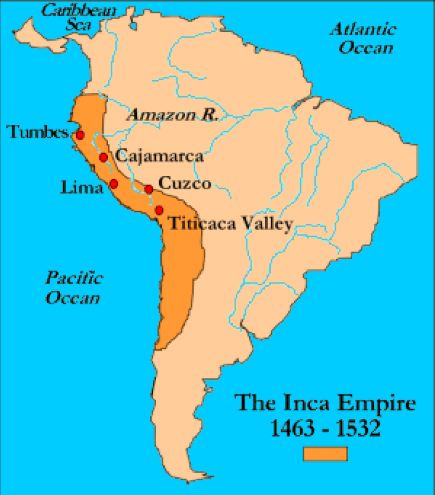
The Spaniards took care of all of that pretty quickly (the whole "guns and steel" thing helped in a few battles and the "germs and treachery" took care of the rest) and within no time the Inca were subjects of the Spanish Crown. As was the case in most spots throughout the Americas, the Europeans also set out to convert the indigenous populations (for some this was driven by actual religious belief while for many it was merely another manner to pacify and control the locals).
Certain regions in the Americas didn’t have strong indigenous political or religious structures to overcome and both the political dominance and religious “conversion” were easy. Costa Rica is a good example of this. In other spots, it was a wee bit more complicated. For example, the Inca already had a religious structure that welcomed the addition of “more Gods” to the list — a kinda not so ideal mindset if you were trying to get them to buy into a “one God” Christian view of the world.
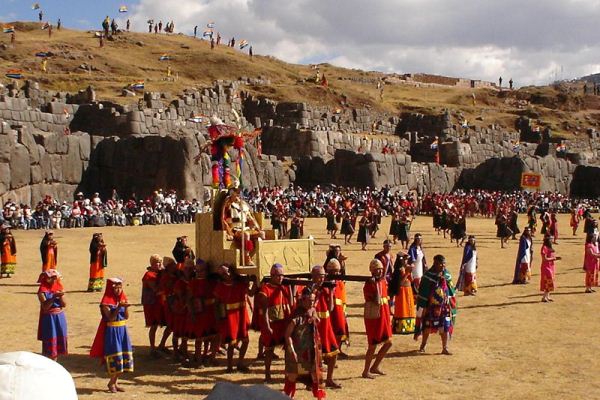
So…the Spaniards tried to find ways to make Christianity feel not TOO far off of what the Inca were already accustomed to. The end result is a whole slew of examples of what is referred to as “syncretism” — a blending of religious traditions that leads to some pretty fascinating NEW traditions. The Corpus Christi Festival in Cusco is a classic case study.
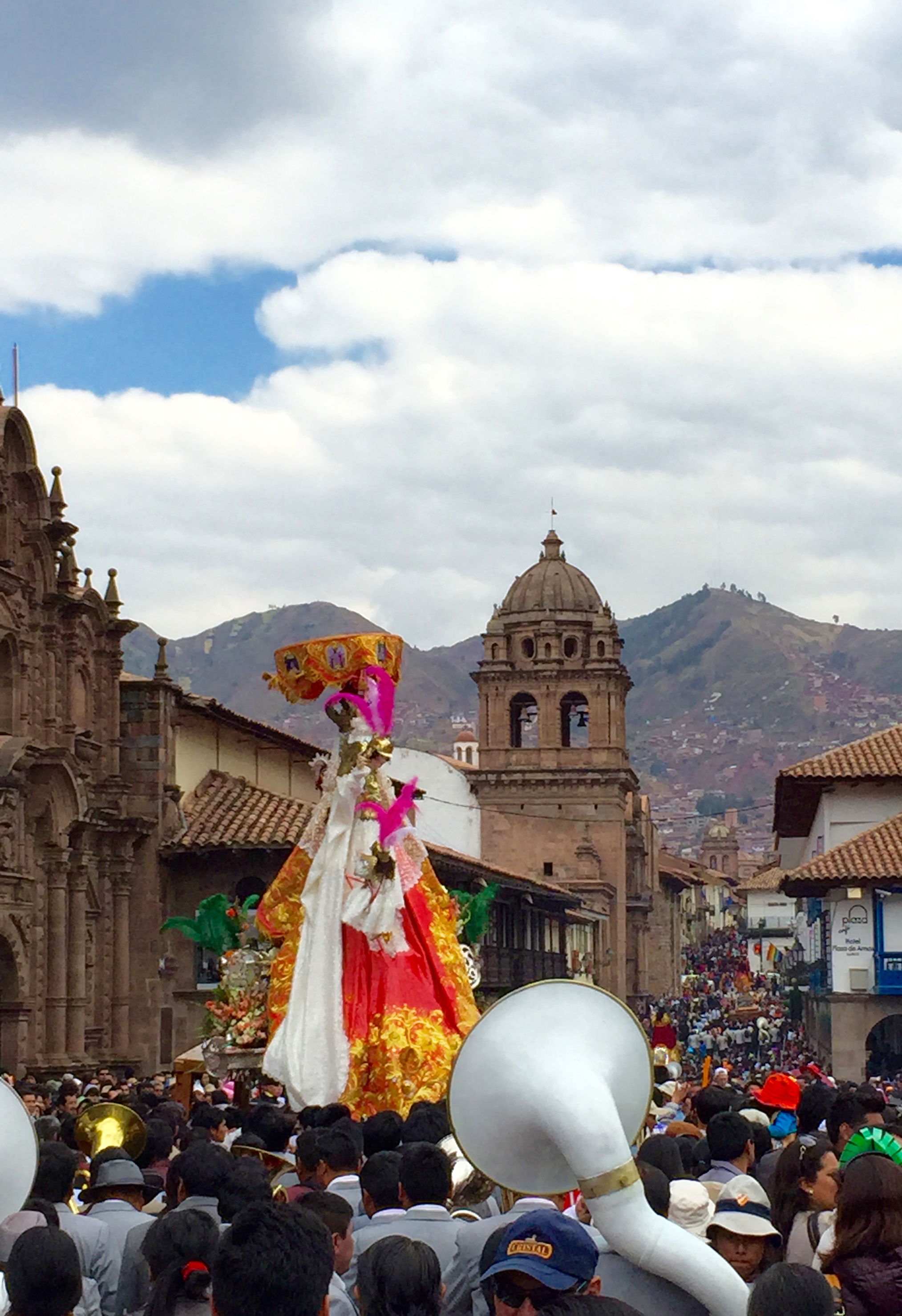
June was (and is) a big month for those of Inca descent. Traditional Incan religious beliefs view June as the “month of the Sun” (and like many polytheistic religions, the sun is a big freakin’ deal). In fact, the partying that kicks off with Corpus Christi at the start of June continues all the way through the month because June 24th is “Inti Raymi” (Quechua for the “Sun Festival”) and hey…why take a break between multi-day festivals when you can just take a week or so to lower the volume but keep the party going on low-burn before ramping back up again?!?
Where was I? Oh…how syncretism led a single day on the Catholic calendar to turn into a 2 week festival. Joining our Spaniard pals back in the 1500’s once again, we see them scratching their heads at the challenge of getting these Inca to buy into their culture and religion. For example, the Inca had this disconcerting tradition (to the Europeans) of parading their mummified, dead ancestors around the square from time to time (particularly during their June sun-focused festivals) along with statues of some of their key gods. Eventually the priests and colonial officials decided “In the following sentence — ‘I like to parade my dead, mummified ancestors around the city’ — let’s see if we can get them to replace ‘dead, mummified ancestors’ with ‘statues of saints.’”
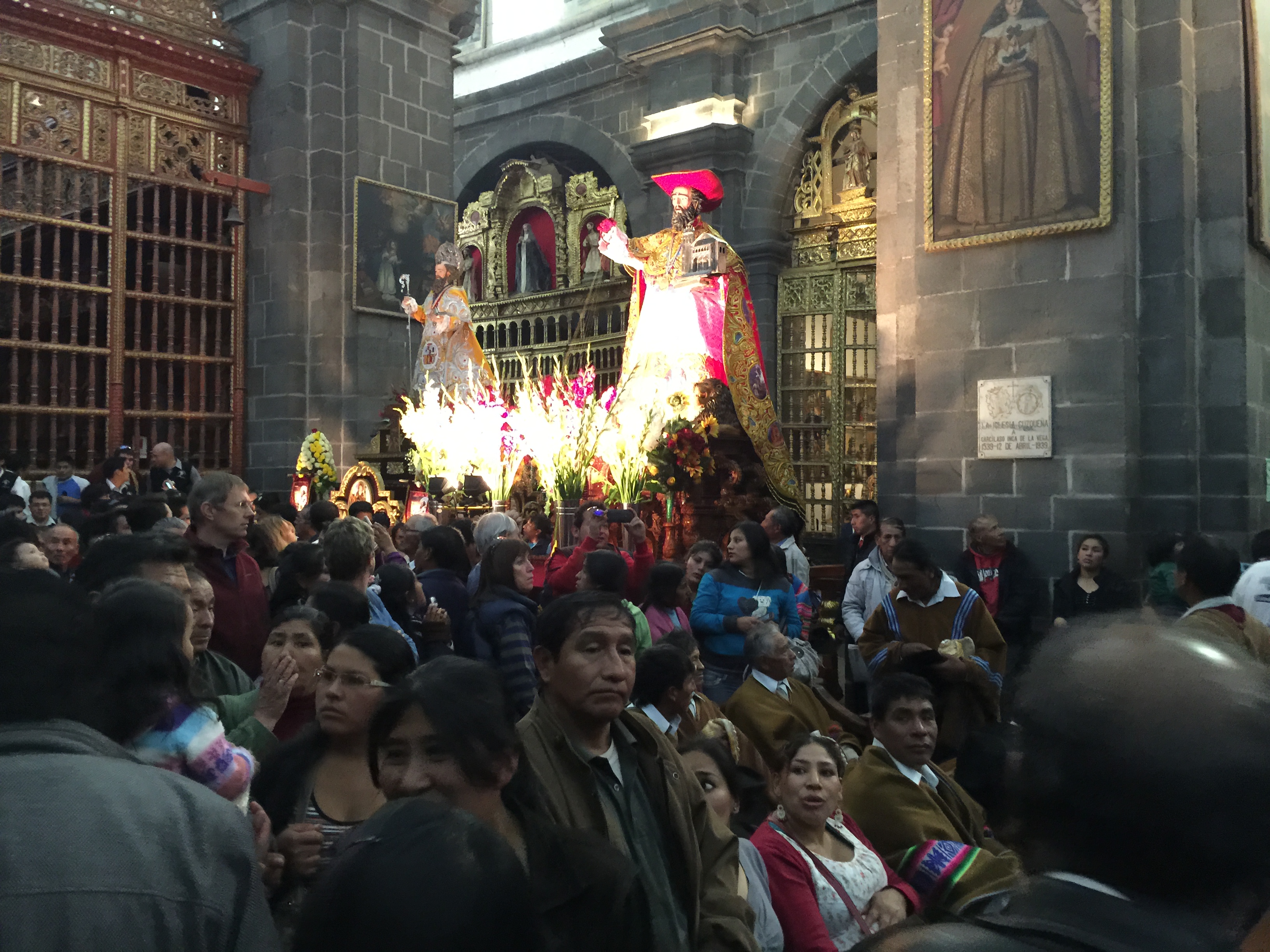
Very quickly, they realized they were onto something. The locals really liked the idea of the saints because it was a way for them to relate to this new religion. Maybe this “God” guy could be the main focus of their religious attention but these “saints” could kinda fill the space of “ancestors and other gods” to a certain extent. Which is why in Cusco and throughout big chunks of Latin America, you ended up with religious traditions that — while largely Catholic — sometimes blurred the lines in a weird way that viewed “saints” as “kinda like gods in their own right” rather than as “wicked holy people.
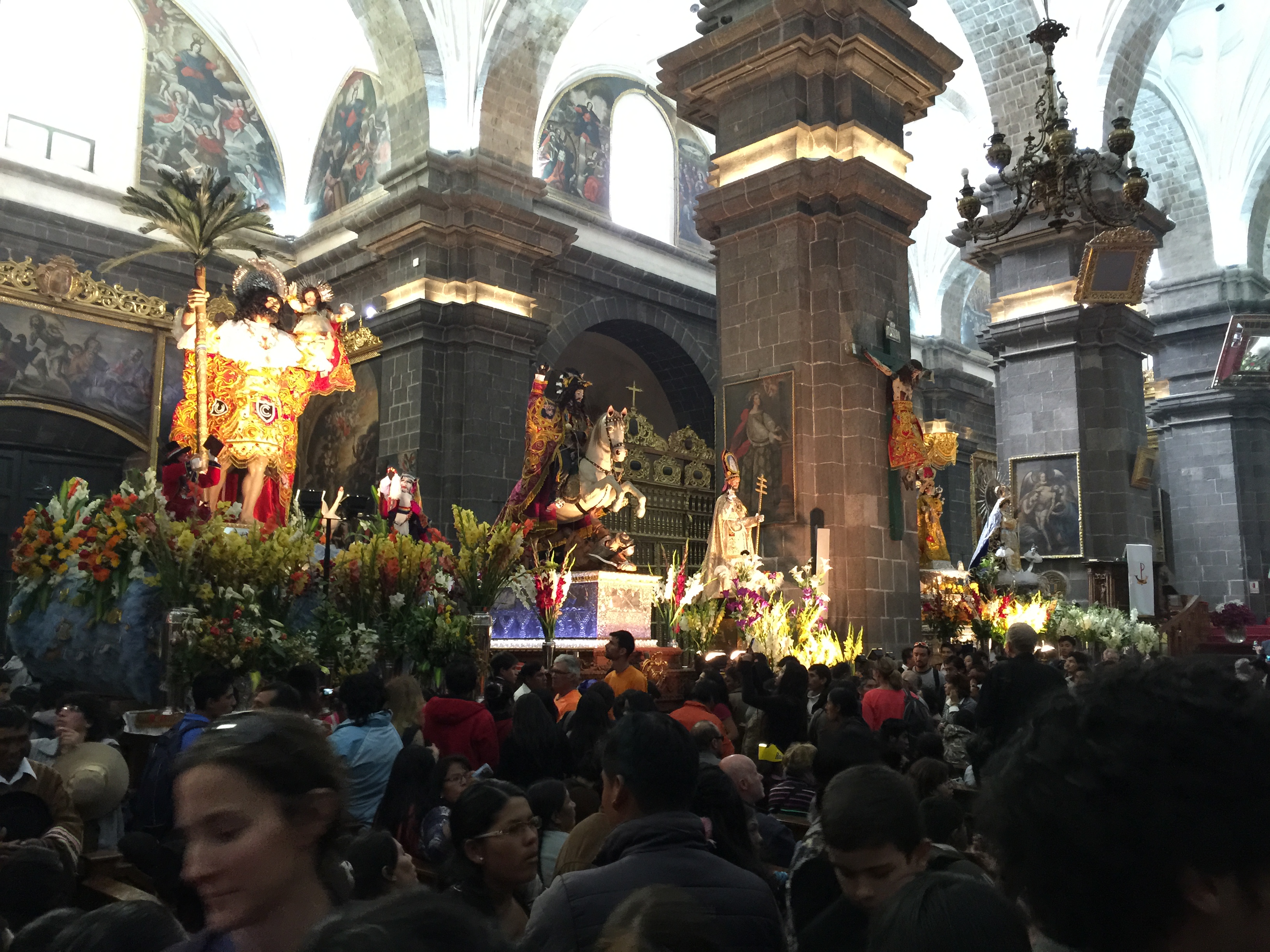
Fast forward a few hundred years and you end up with fascinatingly cool festivals like Corpus Christi in Cusco.
Leading up to the official date, each day there are more and more fireworks (mostly fire crackers, actually…all noise and no visual fun), more bands, and a few small block-party type festivals and processions. Then the “big day” arrives. There are fifteen small churches throughout the city, each dedicated to a different saint. On Corpus Christi, fifteen MASSIVE saint statues arrive at the Cathedral in the Plaza de Armas throughout the day (with their own huge processions). A HUGE crowd cheers for them as they arrive and are brought into the Cathedral to “greet Christ” and hang out together for 8 days. Some locals told us that each saint has its own story and personality in the local lore. (down to the point that there are stories about why each statue has his or her hands in the position that they do or why one can’t be near another one in the Cathedral because of past jealousies or what have you). There are also stories about which “ancestor” or “God” each saint replaced back in the old days (e.g. Mary replaced “PachaMama” or “Mother of the Earth” while some of the lesser saints just took the place of the mummified ancestors).
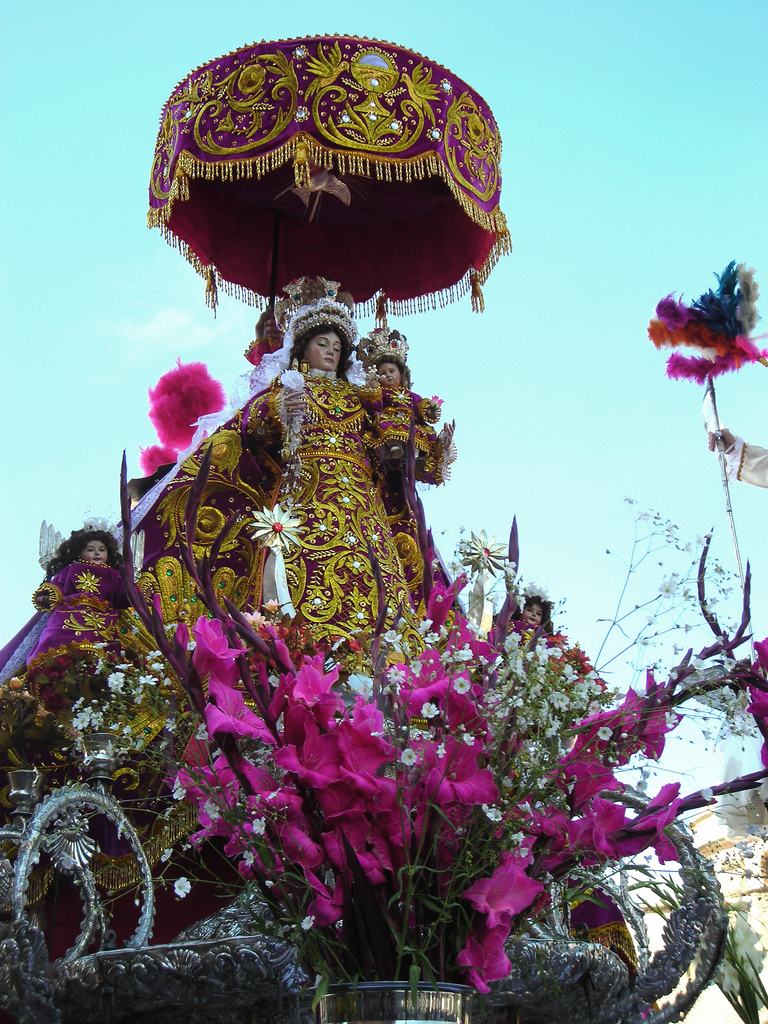
For about a week, the partying slows down a little bit (but not much) while the Saints are hanging out in the Cathedral. But then the “Eighth Day” arrives and there is a day of dancing and processions that puts the previous couple of weeks to shame. Groups of little kids from all over the city join in a dance “parade” near the Plaza de Armas (literally EVERY school class has their own dance group, their own traditional outfit for the day, etc.). It is both adorable and riveting at the same time. And it makes for some unforgettable walks throughout town, talks with the kids, etc.
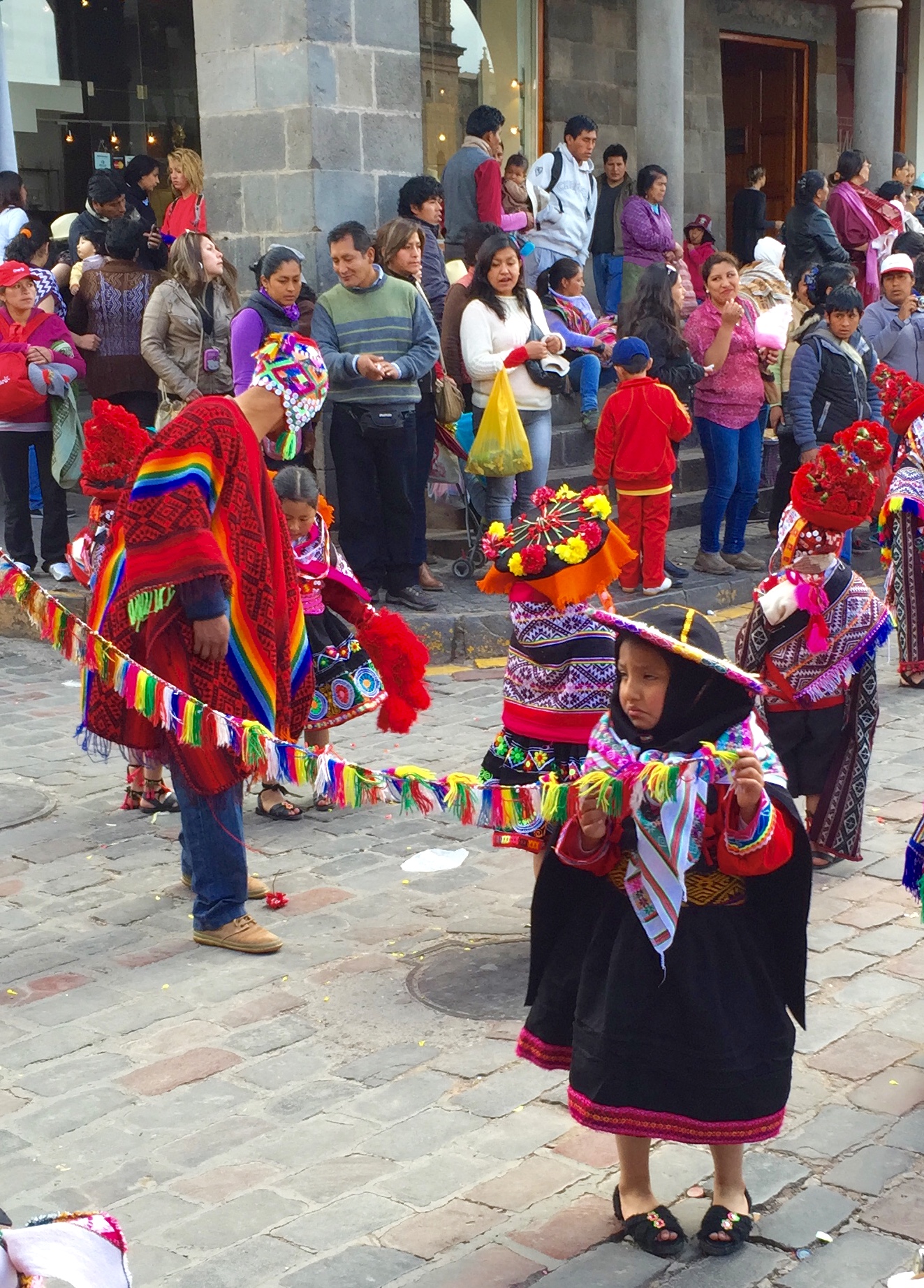
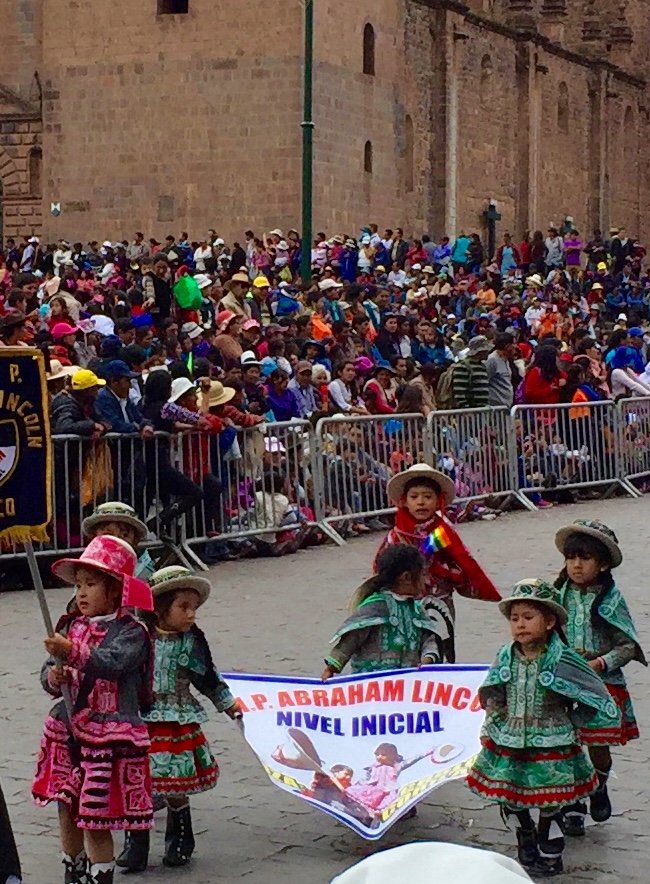
We learned about other examples of “old and new religious beliefs” clashing in 1500’s Cusco For example, in almost every plaza in every town or city in Latin America these is a big church on the green — ONE big church. But in Cusco there are two. There are multiple reasons for this but the main one is that in the local traditions, one way that a new conquerer would show their power over the existing residents was to knock down the old temples and put up new ones in their place. And in Cusco’s case, there were TWO big temples in the main square. So the Spaniards flattened them BOTH and put up Catholic Churches on top of the ruins of BOTH to make it clear who was boss. Message received.

You can also see examples of the blending of traditions in the religious artwork. The Churches of Cusco (and Lima for that matter) are INSANE living museums at this point. SO much artwork, etc. It blows the mind that even the “tiny” neighborhood churches of Cusco could contain the artwork, carvings, etc. that they do. If you just walk through and don’t pay close attention, you miss some cool details. For example, the huge painting of “The Last Supper” in the Cathedral shows the disciples kicking back and enjoying a meal of Cuy (roasted Guinea pig), chinchillas, etc. There is also a famous painting in the Cathedral that we would have walked right by if not for Ella’s “home school” report on festivals of Peru (a painting of Jesus on the cross that for some reason the locals believe was responsible for saving them from an earthquake many moons ago. Now they have a day once a year where they parade the oil panting around the city and have — you guessed it — another party (this time in honor of “El Señor de Los Temblores” or “The Earthquake Christ”).
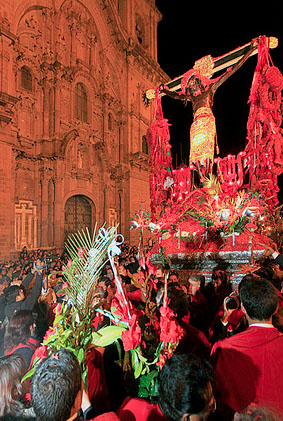
Personally, I was fascinated by a conversation with a local about the “Niño Compadrito.” (warning…next section is kinda like an urban-legend ghost story…).........
Sometime back in the 1970’s, stories started to pop up amongst the locals about a dead child whose mummy had appeared and helped save a child who got lost in the woods. Some other similar stories popped up — all in keeping with the still-not-quite-gone thread of belief in the power of dead ancestors to help those in need. The locals began to go visit the mummified remains of a child at the family’s home, thinking of her as kinda like a “saint.” At first, the Catholic Church looked the other way (a practice they had become used to over the centuries…picking their battles and letting a bit of the local traditions live on) but eventually the Bishop decided that enough was enough and made an announcement that the focus on the mummified girl had gotten out of hand and had to stop. The locals were torn so the keepers of the mummy took the kid out of there to some other location in the Sacred Valley.
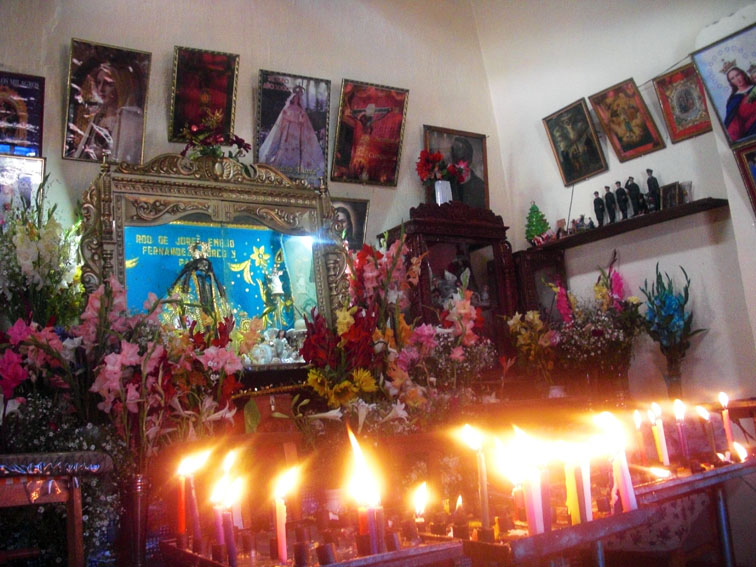
Shortly thereafter, that Bishop died in a car crash and tons of locals started saying it was the “revenge of the Niño Compadrito.” Thousands more began to believe in the powers of the mummified girl and she was brought back to the family house in Cusco. To this day, there are true believers who go to the house, pay 1 Sol (about 30 cents) for a candle, and burn the candle on an altar in front of the mummified child (who now has creepy glass eyes, long hair and robes) as they ask for help. Different color candles represent different desires — green for money, red for love, etc….and of course black candles for “justice” (or “revenge”).

The crazy thing is that probably 80% (or more) of the residents of Cusco have never even HEARD of the Niño Compadrito. It is a weird, underground, cult belief. And a lot of those who HAVE heard the stories admit openly that they are afraid to go see her. It’s fascinating. I mean…we aren’t talking about some village in the middle of nowhere with a backwards thinking population. This is a wealthy, cosmopolitan city of close to a half million people.
For example, I was having this conversation with a 33 year old, university-educated woman who was born in Cusco but has lived in Colombia, Australia, etc.…but she herself is afraid to go because of the superstitious belief that non-believers going to see the Niño will be cursed or something like that.
I strongly debated trying to find the house (it is evidently only a few blocks from where the kids were taking Spanish classes) but after speaking with a few more locals, decided that it might be seen as culturally insensitive to try to go. Bummer. Maybe next time...
--------------------------
Luckily for you, that’s all the time I have to write today. I think that this entry is probably more for our own family’s benefit (so that in the future we can be reminded of what we learned re: the fascinating drivers behind some of the Cusco’s traditions) but hopefully you can at least enjoy the pictures! : )