Peru Part 2: Cathedrals, Churches, Palaces (Yes, palaces) and Museums of Perú
By...Jack
Okay, the whole family is in hot water right now because we’ve been so lazy with blogs the last few months. This is our last week in Costa Rica and we’re desperately working to fit in like three or four more blogs. So, as you can see, I’m here to tell you about the cathedrals, churches, and museums of Perú.
Before I write about the present, I have to travel back to the past. Hundreds of years ago, after the Spanish conquistador Francisco Pizarro took over Perú, he decided to give a recently constructed palace in Lima to his chum in 1535.
Venture inside, and you'll see grand doors, bannisters, and stairs where Pizarro's old chum lounged around as the Inca people starved.
The friend, a Spanish governer, lived happily in his grand palace with grand red carpets...
Not your average welcome mat, eh?
...and grand dining tables and grand stairs and grand railings and a huge grand chandelier and thousands of grand rooms and grand this and grand that. The Spaniard was, however, completely ignorant of the fact that the rest of Lima, right outside his doors (which were also grand), were starving and homeless and had children to feed. Yet the Spanish governer continued to stuff himself full. The Spaniards were not all bad. Many went to live with the poor like a woman named Rose (and every Church in Lima has pictures of her now).
But back to the present. The Archbishop had his own palace in Lima. It may be hated by many Peruvians because he lived like a king, but it is still a great thing to look inside of. Sprawling red carpets, stairs covered with white cloth, a magnificent chandelier, and many rooms and portraits.
Also in Lima, right next to the Archbishop's palace, was La Catedral de Lima. The cathedral was also grand, but it’s a cathedral, so what do you expect? The cool thing about the cathedral was that you could actually see the remains of Pizarro.
I'll never forget that feeling that Pizarro had climbed out of his grave and was doing bunny ears to me....... Yikes!
Then, a little eerie, but also cool, were the bones of Spanish priests in an underground room. (For my mom, just a little eerie is a bit of an exaggeration)
Notice how my mom's no where to be seen in this pic? She wouldn't even take a look at those grinning skulls!
Now, for Cusco. I’m not sure there’s been a blog yet about the trumpet-blaring, firework-blasting (fireworks in the day, when you can’t see? Seriously people?) drum-beating, all around riled up city of Cusco, Perú.
We visited two museums in Cusco. One was called the Inca Museo, a very creative title considering the fact that every museum is about the Inca. Anyway, in the Inca Museo, I learned a lot about the Inca but also about the four types of camelids in South America: (camel subspecies) the vicuña, the alpaca, the llama, and, although I still don’t know much about it, the guanaco.
Of these four camel species, the alpaca is completely domesticated, and there are only 15 wild llamas left, the rest in captivity. Anyhow, the llama is the one everyone knows. The llama is the only one that actually works (even if domesticated) by carrying objects.
Here's the old workhorse. (Even if in this pic he looks like a greedy, grass-munching pig)
The alpaca is by far the fluffiest,......
Look at those little teddy-bears! ( Just joking! Looks can be deceiving! Alpacas spit out their old, chewed up food at you! Be warned if you venture into an alpaca farm in Massachusetts)
......and has hair growing around it’s head. They are the most cuddly, and you can pet them in the street. (Yes, they are in the streets of Cusco with people asking you to take a picture with one). Their wool is used for sweaters and the wool comes in a variety of colors. There are over 18 alpaca farms in MA, and I don’t know about you, but we’re going to one after all of our time with them!
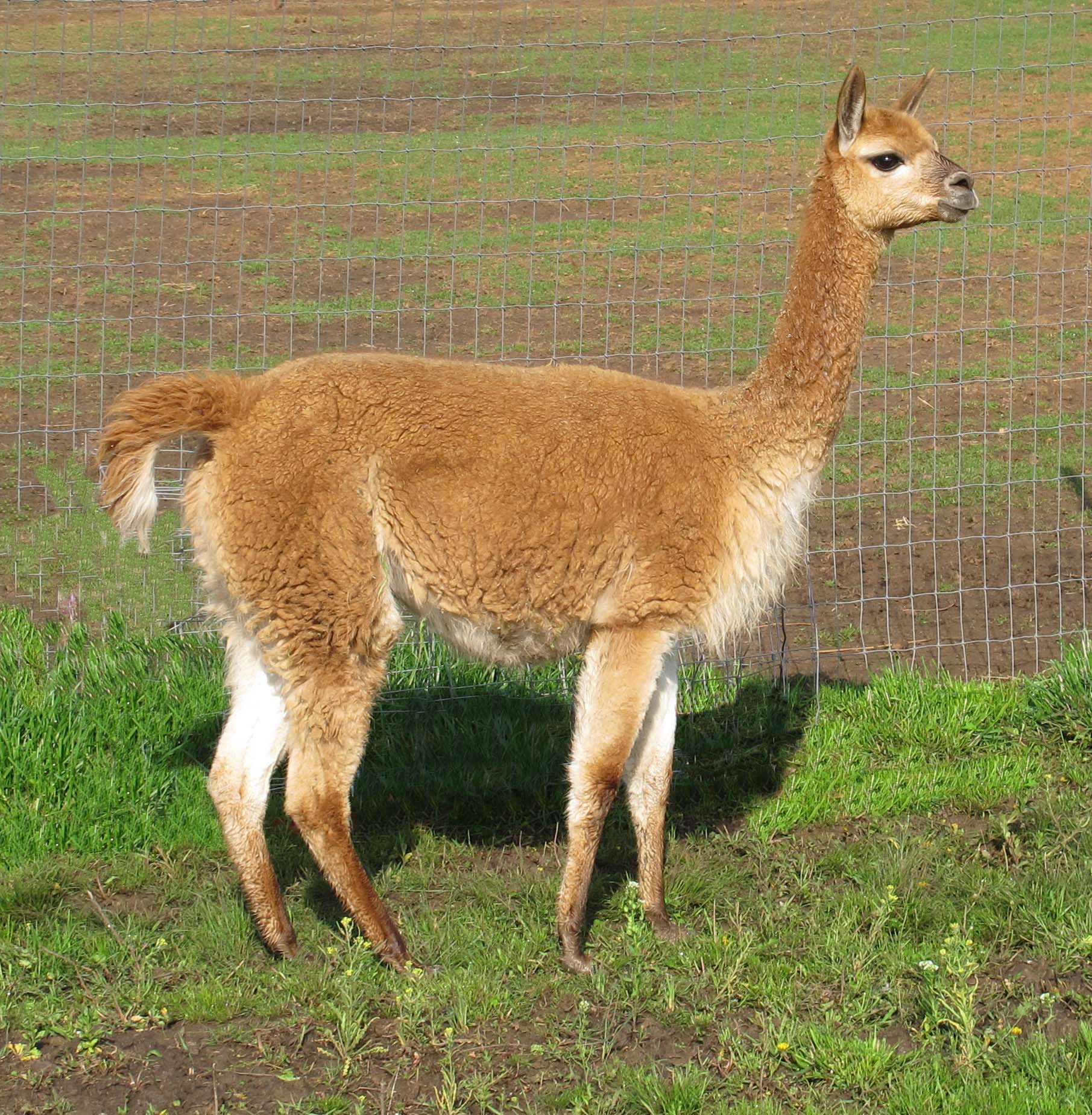
Vicuñas produce the softest fiber on EARTH.
The vicuña! One of the only wild camelids on Earth...
No exaggeration, they’re fur is famed for being so soft. They are wild, but once a year surrounded and sheared.
Does that not look soft to you?
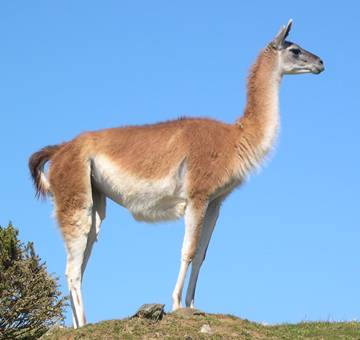
The guanaco is a delicate beast who lives in the rocky Andes and is completely wild. They have large eyelashes to protect them from the sun.
The guanaco. ( I know this is embarrassing, but I can't tell the vicuña and guanaco apart! Only why I knew how to tell them apart is because of the captions on the Internet)
We also learned about how, after being conquered, Inca royalty began to copy the Spanish. There are pictures of Inca dressed like Spaniards. If I was an Inca I would be ashamed of those despicable traitors for abandoning the my culture.
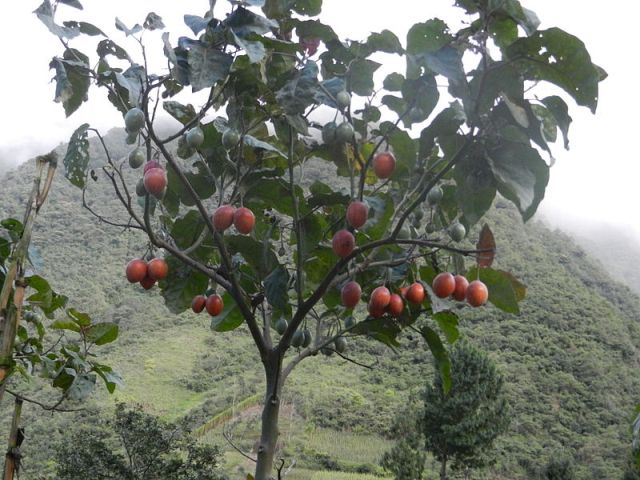
Another funny thing I learned at the Inca Museo, was that in South America, they eat a fruit called tamarillo, also known as tree tomato. We’re posting a picture of them, and they basically look like tomatoes, but, dramatic effects, drumroll, and numerous gasps, TREE tomatoes grow on, suspense hangs, TREES.
Tomatoes that grow on trees? What's next, Tree Cheezits?
That’s right, faint in shock, turn away in disbelief, flick open your laptops, but tree tomatoes grow on trees. Even if you’re mentally scarred with shock for the rest of your life, you have to believe me.
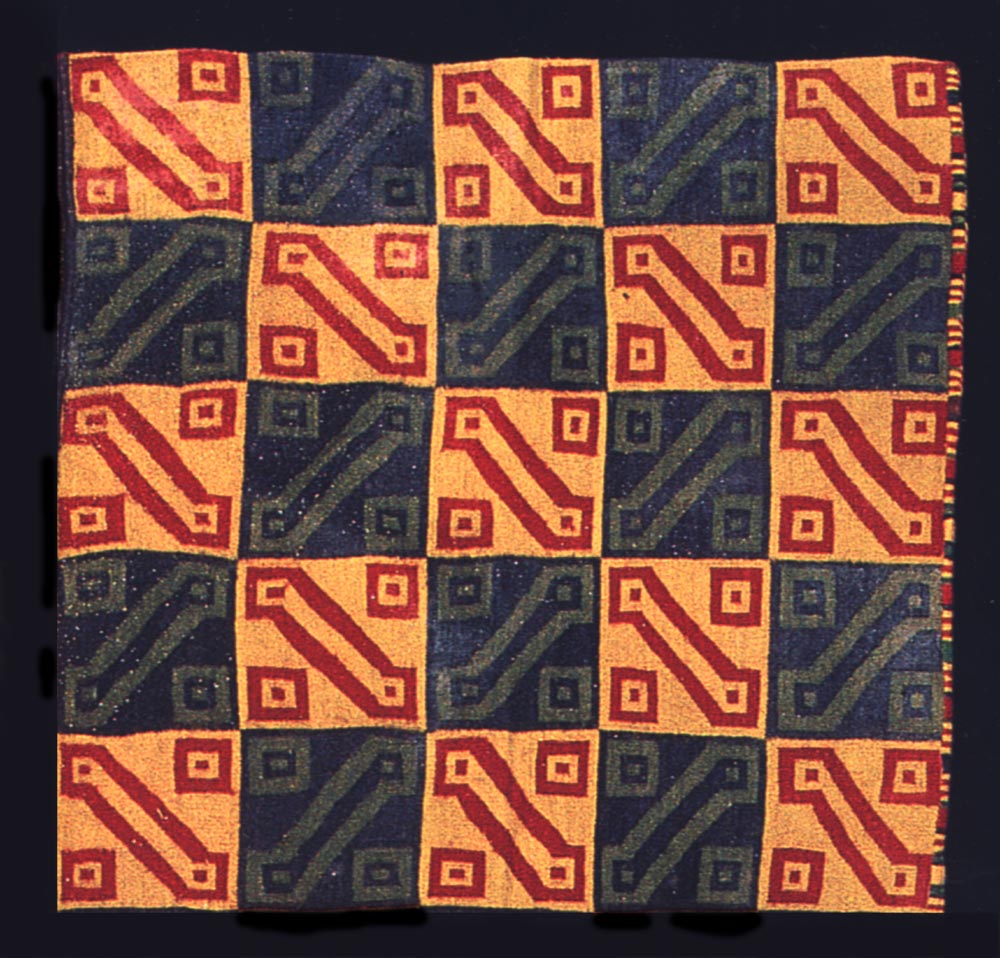
The last museum we went was called the textiles museum. There, we learned about Inca textiles and that some old Inca woman still only speak Quechua and not a word of Spanish. We saw many beautiful intricately woven Inca blankets and cloths and spent 30 minutes deciding whether or not to buy this blanket and that.
Traditional Inca textile. This is only one of the thousands of different Inca patterns.
And finally, at the textile museum we learned that teens in some villages flirt by showing off their blankets.
Since I’m almost a teenager, I better get weaving!
Ciao for now,
Jack.

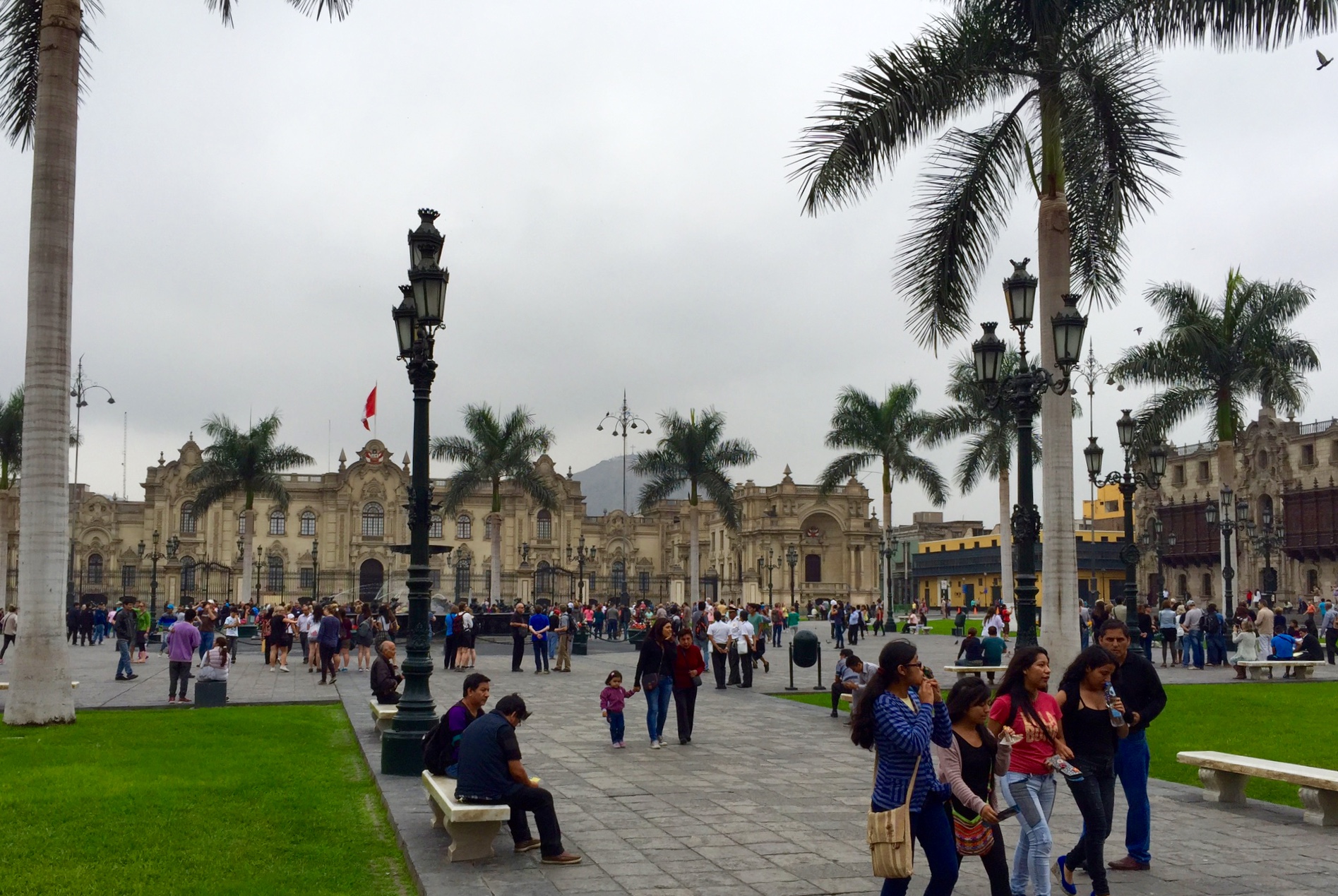 Venture inside, and you'll see grand doors, bannisters, and stairs where Pizarro's old chum lounged around as the Inca people starved.
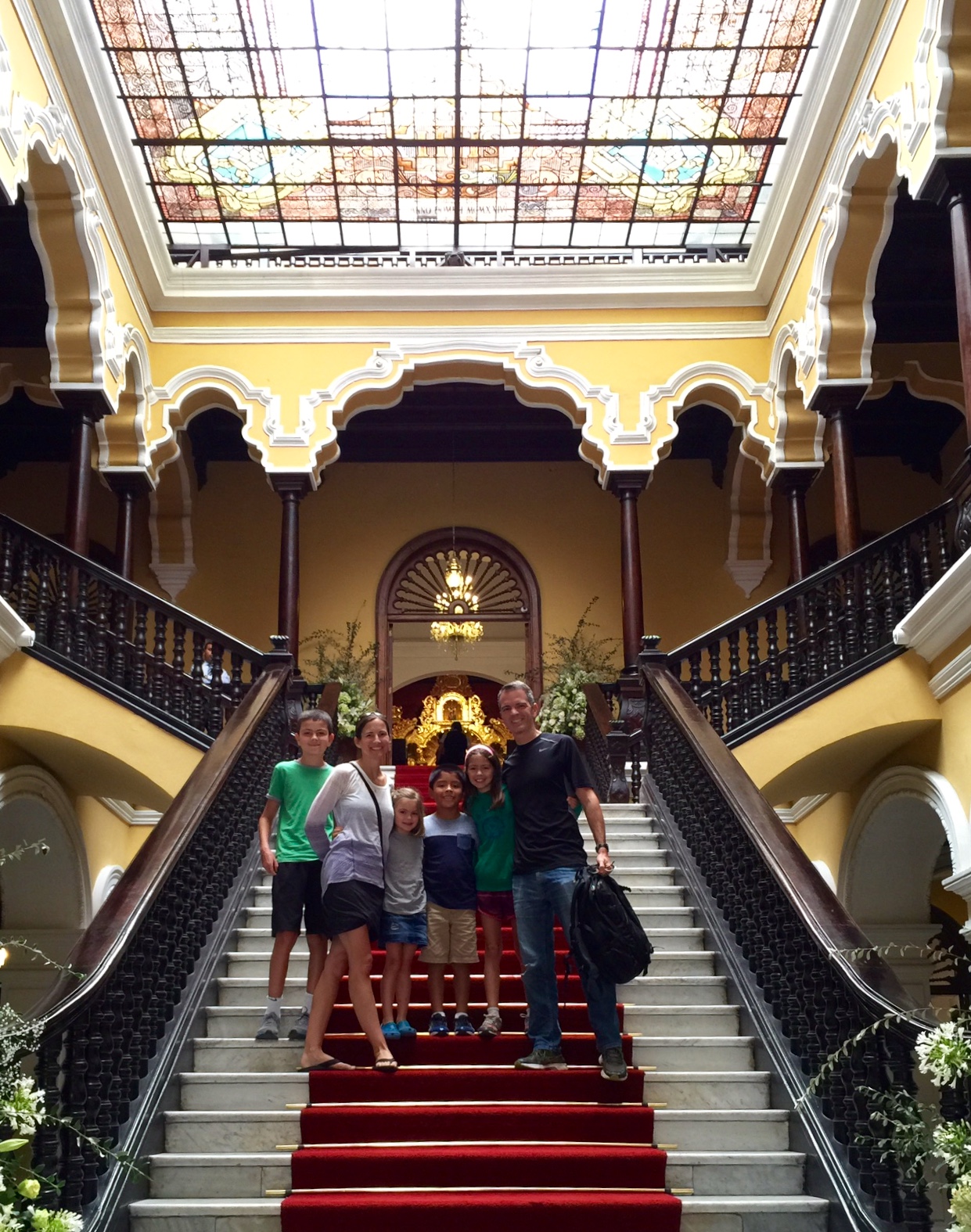 Not your average welcome mat, eh?
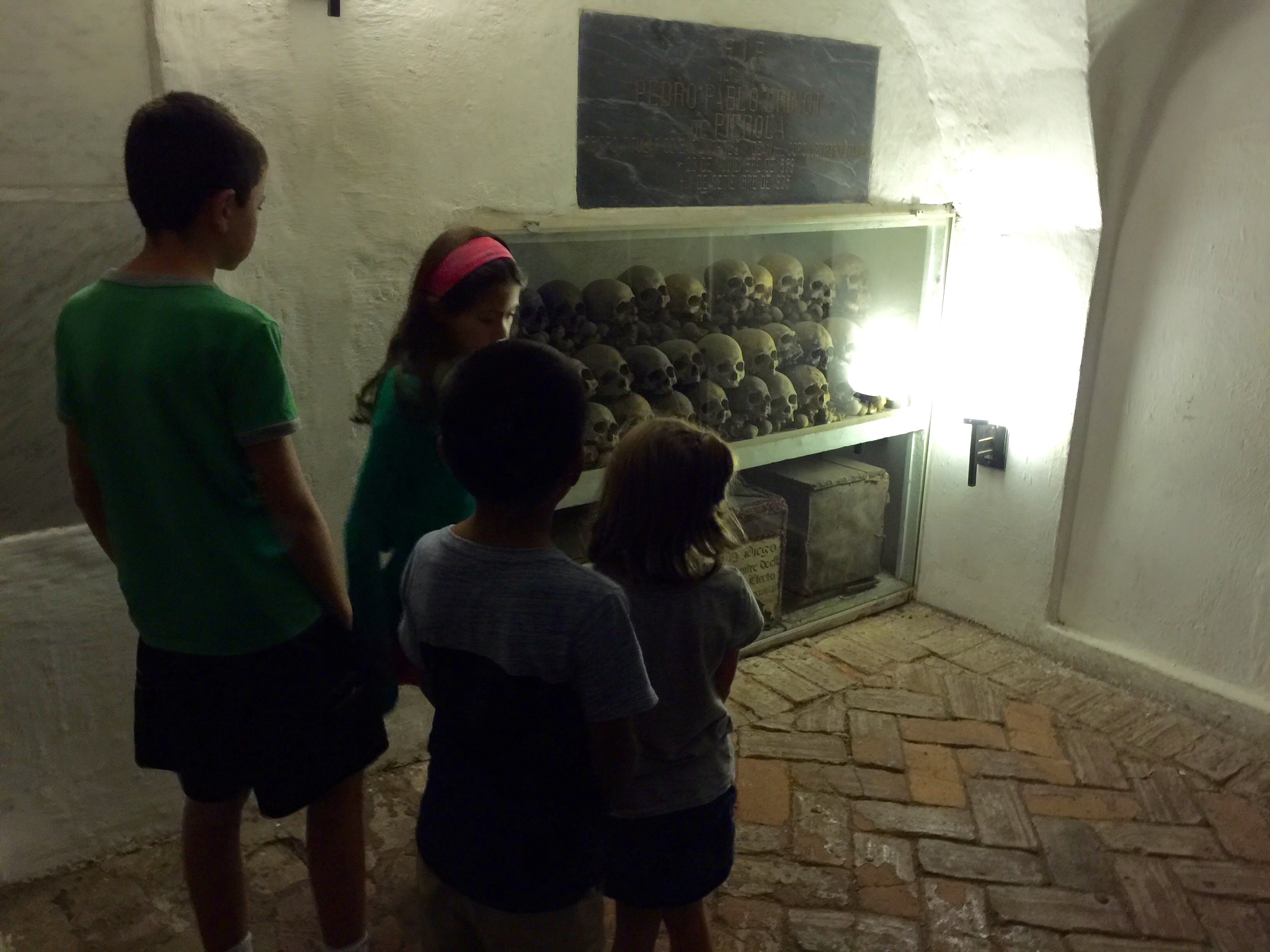 Notice how my mom's no where to be seen in this pic? She wouldn't even take a look at those grinning skulls!
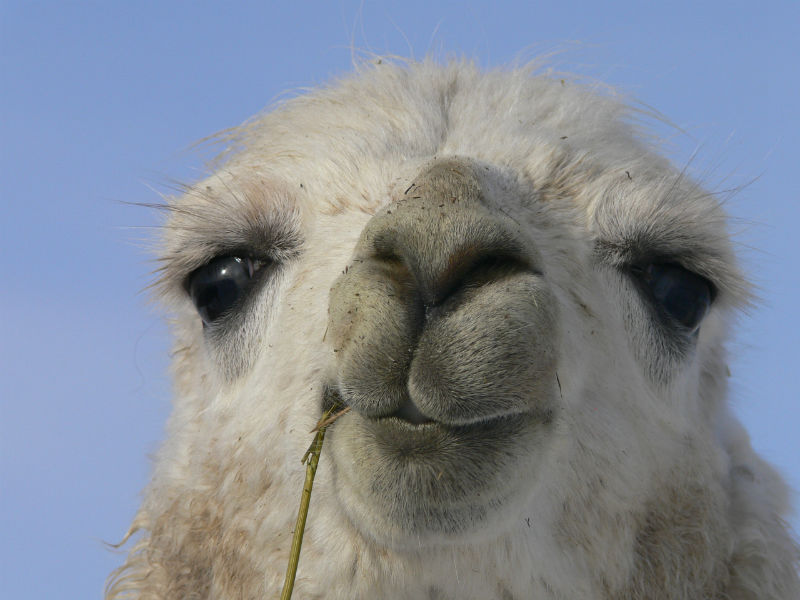 Here's the old workhorse. (Even if in this pic he looks like a greedy, grass-munching pig)
 Look at those little teddy-bears! ( Just joking! Looks can be deceiving! Alpacas spit out their old, chewed up food at you! Be warned if you venture into an alpaca farm in Massachusetts)
 The vicuña! One of the only wild camelids on Earth...
 Does that not look soft to you?
 The guanaco. ( I know this is embarrassing, but I can't tell the vicuña and guanaco apart! Only why I knew how to tell them apart is because of the captions on the Internet)
 Tomatoes that grow on trees? What's next, Tree Cheezits?
 Traditional Inca textile. This is only one of the thousands of different Inca patterns.